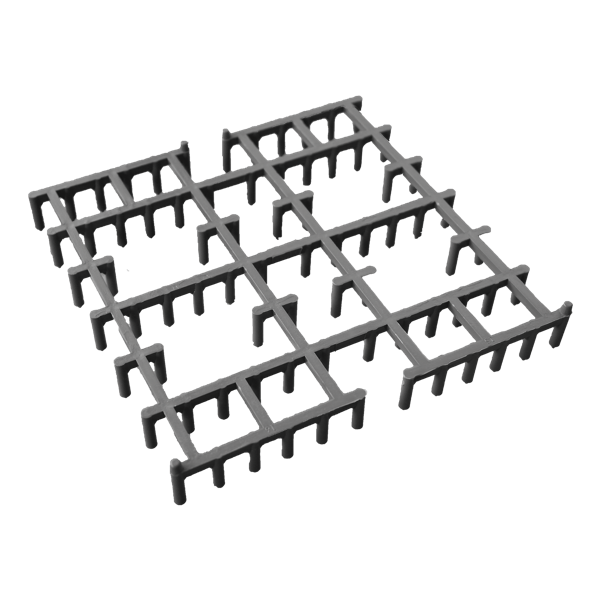
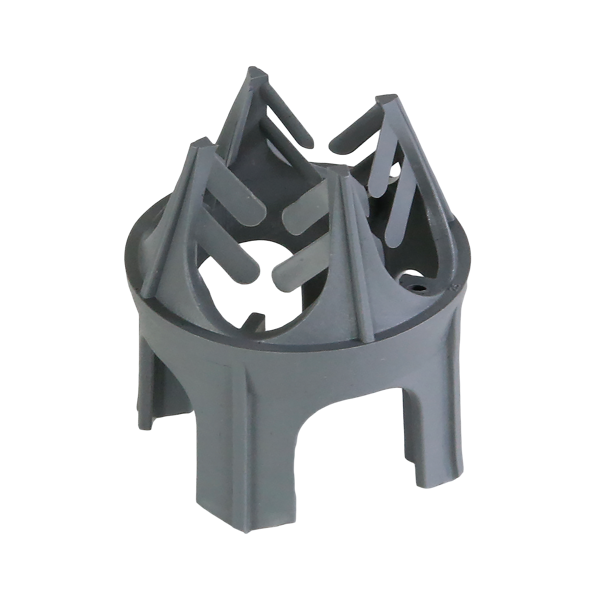
Large-area spacer for light reinforcement with very good concrete flow. Pointed feet for minimal contact with the steel formwork - optimal for exposed concrete. Upward facing spikes prevent the reinforcement from slipping.
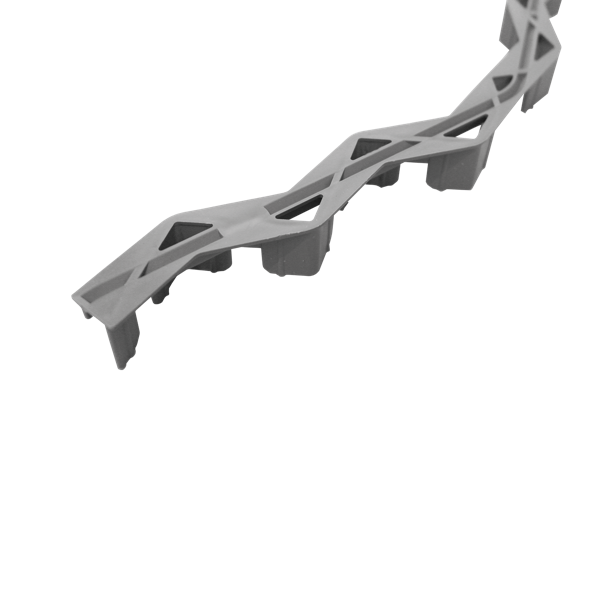
Large-area spacer with high step stability for the lower reinforcement. Because of its zigzag shape and the staggered feet, a good concrete flow is guaranteed. By simply turning it over, the DRUWA can also be used on soft surfaces. Due to its special shape, the DRUWA is easily stackable. This results in optimal freight cost savings and storage space utilisation!
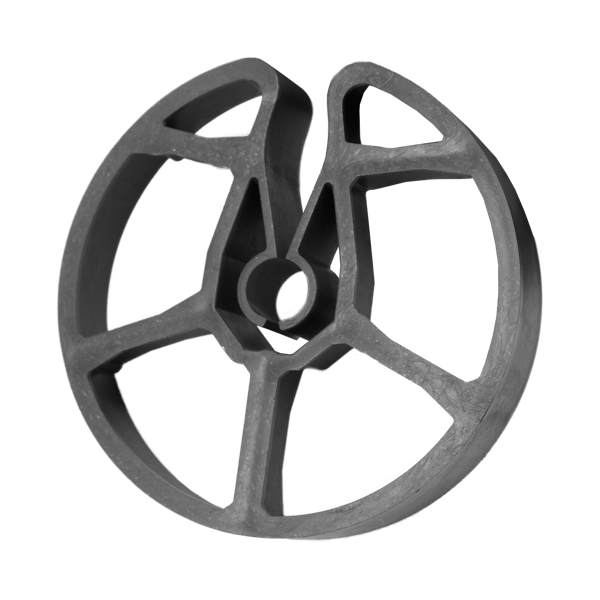
Spacers specially developed for the use of pile cages. Also suitable for diaphragm walls.
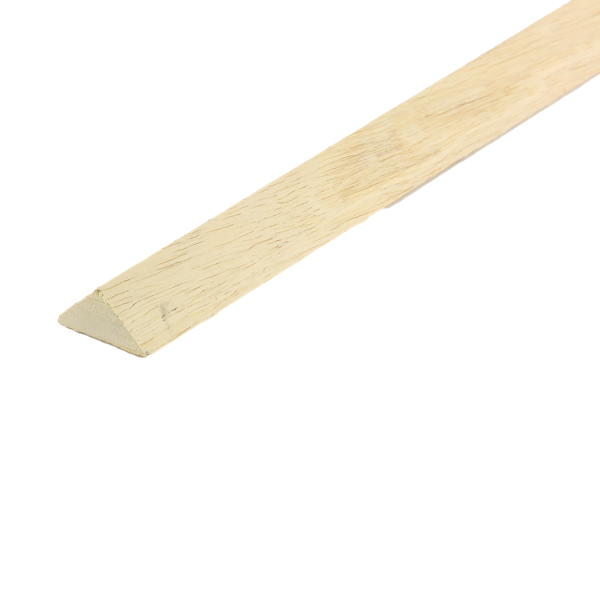
Wooden profiles for breaking concrete edges.
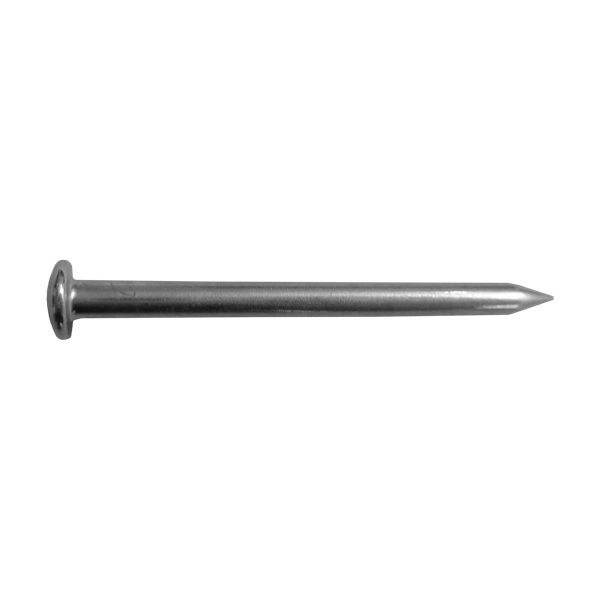
Steel nail with flat head for formwork stop.
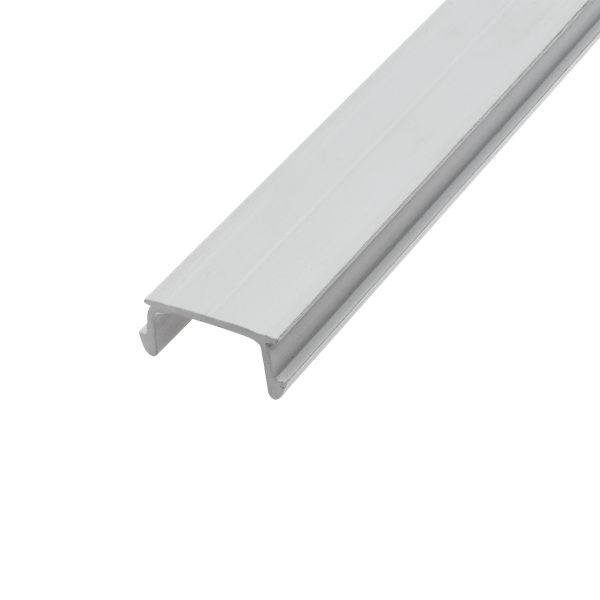
Plastic profile for creating a drip edge (e.g. for balconies).
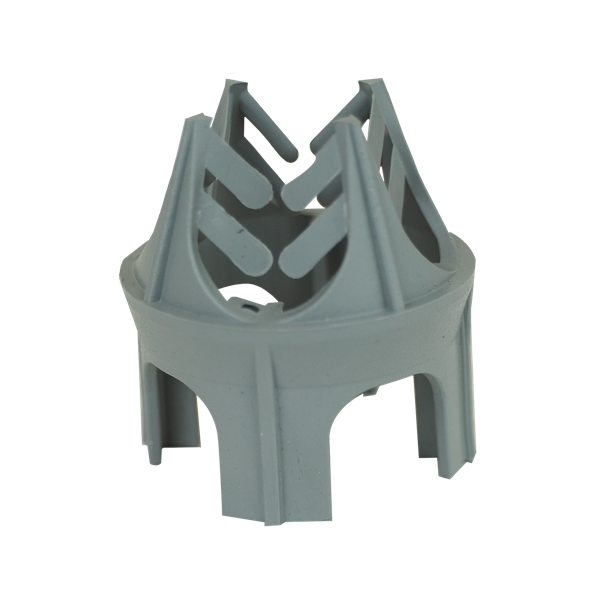
Strong plastic spacer with large clamping range for medium and heavy reinforcement. Used in all areas of application in the precast industry and on the construction site. With pointed foot especially suitable for steel formwork for best exposed concrete quality. With flat foot for wooden formwork.
Large-area tunnel spacer made of plastic for fixing the tunnel sealing film. The open construction ensures an optimal concrete flow. Awarded with the Innovation Prize at the Austrian Tunnel Day 2010.
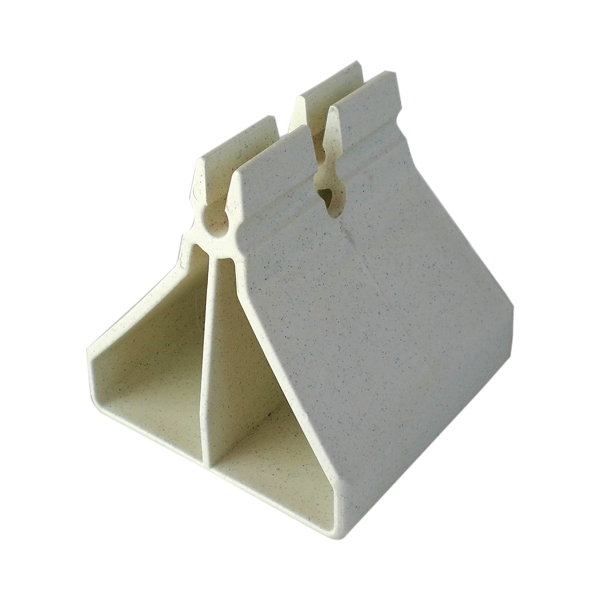
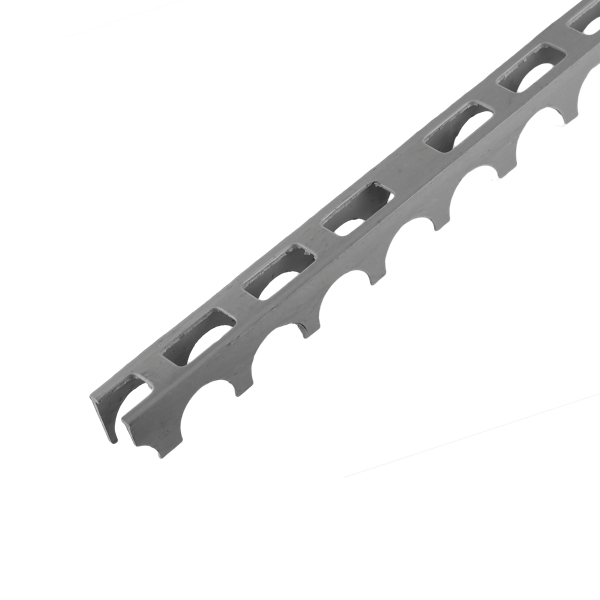
Linear, labour-saving plastic spacers for lower reinforcement. The cut-outs ensure proper flow of the concrete without compromising stability and at the same time reduce the visibility of the spacer on the finished concrete surface.
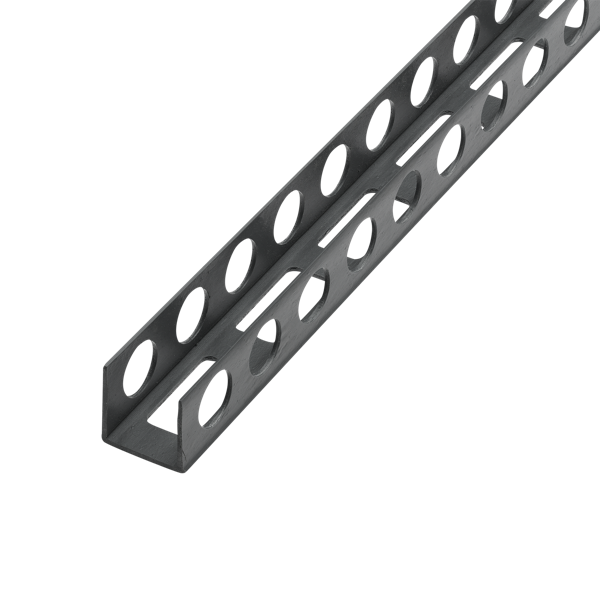
Linear, labour-saving plastic spacers for lower reinforcement for all applications where the reinforcement has to be set against soft surfaces, e.g. insulation boards. For this purpose, the Drunterleiste is placed with the flat side on the insulation. With holes on the sides for better concrete flow without affecting stability.
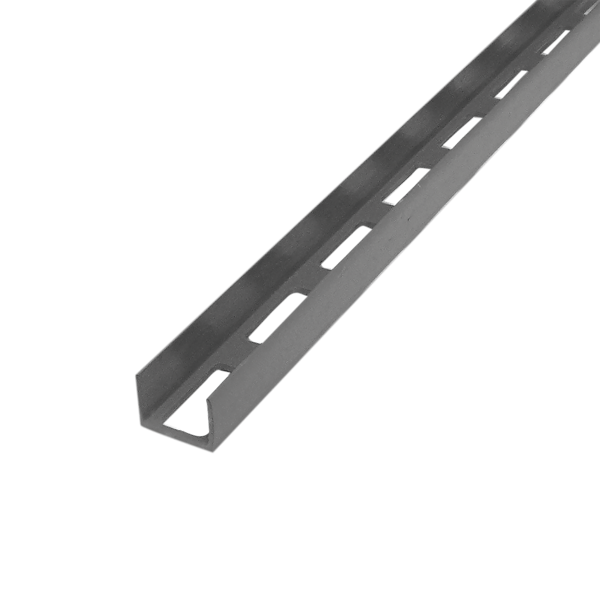
Linear, labour-saving plastic spacers for lower reinforcement for all applications where the reinforcement has to be set against soft surfaces, e.g. insulation boards. For this purpose, the Drunterleiste is placed with the flat side on the insulation.